1. The short version
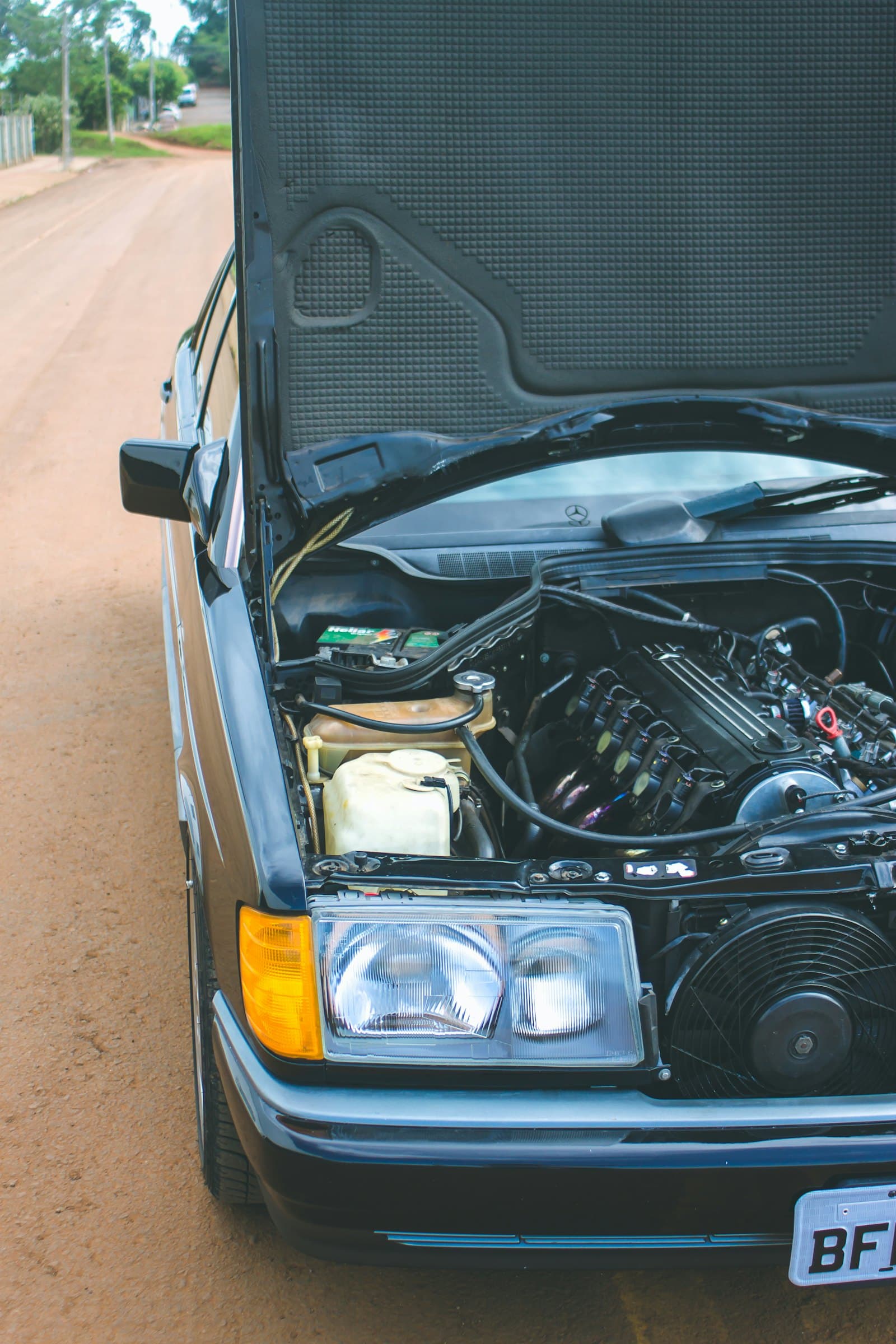
Your engine is managed by a computer, the ECU. It decides how much fuel to inject, how much boost the turbo makes and when to ignite. A Stage 1 remap changes those settings on a standard car, with no new parts, to release more power and torque.
2. Why there's room to improve
Manufacturers build one engine for many countries, fuel qualities and owners who may skip services. They also sell the same engine in several power outputs. That leaves a margin, which a careful remap can use.
3. Which cars benefit most

- Turbo diesels: big torque gains, very noticeable
- Turbo petrols: sharper response and stronger mid-range
- Vans and pickups: easier towing and loaded driving
- Non-turbo petrols: small gains, rarely worth it
4. The honest downsides
More torque puts more load on the clutch and gearbox, so a worn clutch may start to slip. You must tell your insurer. A manufacturer warranty may be affected. And a remap won't cure an existing fault, which is why we check for faults first.
5. What to expect on the day

The original file is saved first, so the car can go back to standard later.
This guide is general information. Every vehicle is different. For advice on yours, send us your registration.