

DPF forced regeneration
Mobile DPF forced regeneration
What a forced regeneration is
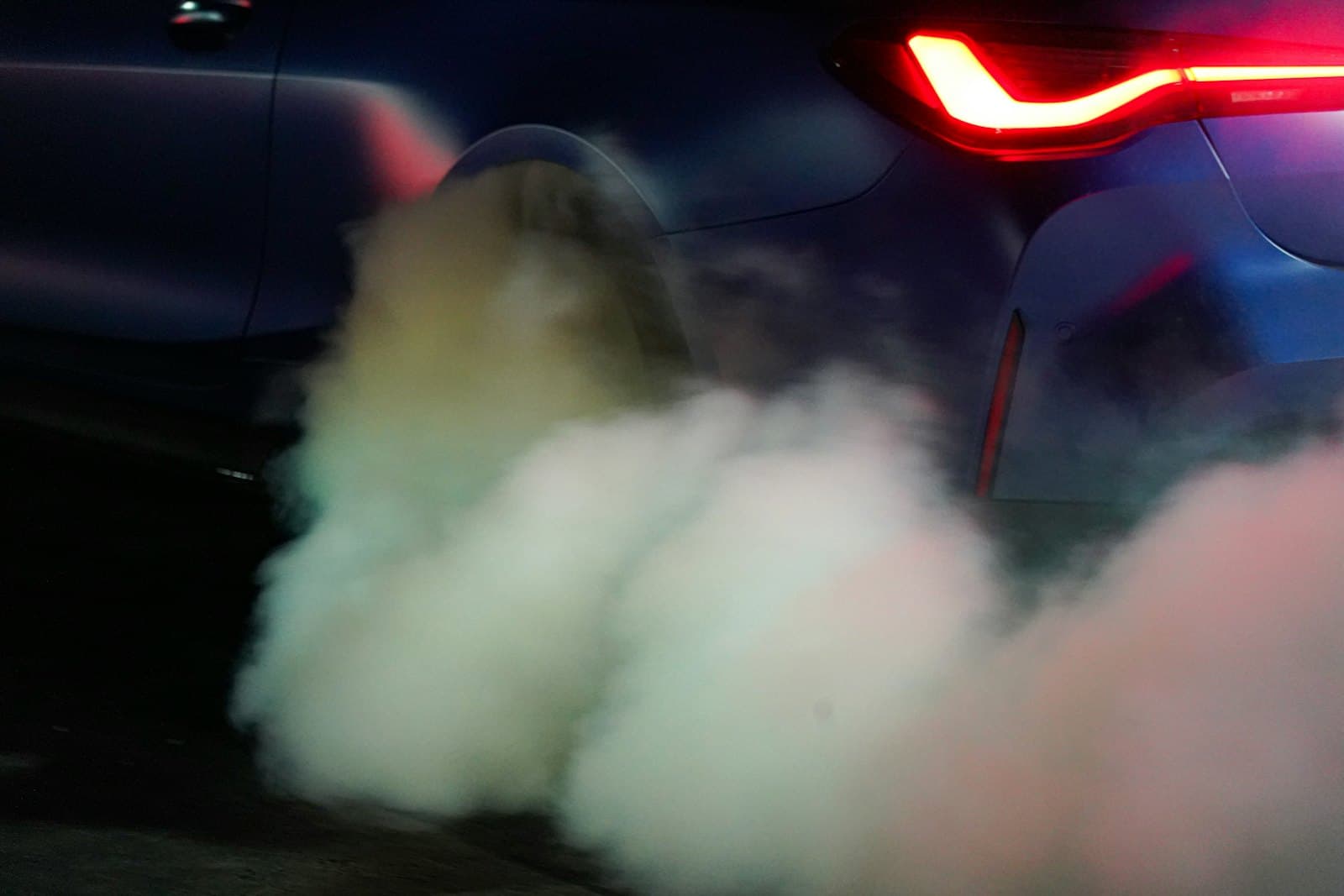
Normally, a diesel engine cleans its particulate filter by itself during driving, raising exhaust temperature to burn off trapped soot. When that has not been possible, for example because the vehicle mostly does short journeys, the soot load can rise until the engine warns you or reduces power. A forced regeneration uses diagnostic equipment to command the engine to carry out a controlled, stationary regeneration, burning off the soot while the vehicle is parked.
When it is the right fix
A forced regeneration is the right solution when the filter is loaded with soot but otherwise healthy and the sensors are reading correctly. It is not a fix for a failed pressure sensor, an EGR fault or a filter full of ash at the end of its life. That is why we always check the system first: forcing a regeneration on a vehicle with an underlying fault wastes time and may make things worse.
- Soot load confirmed by live data
- Pressure sensor readings checked
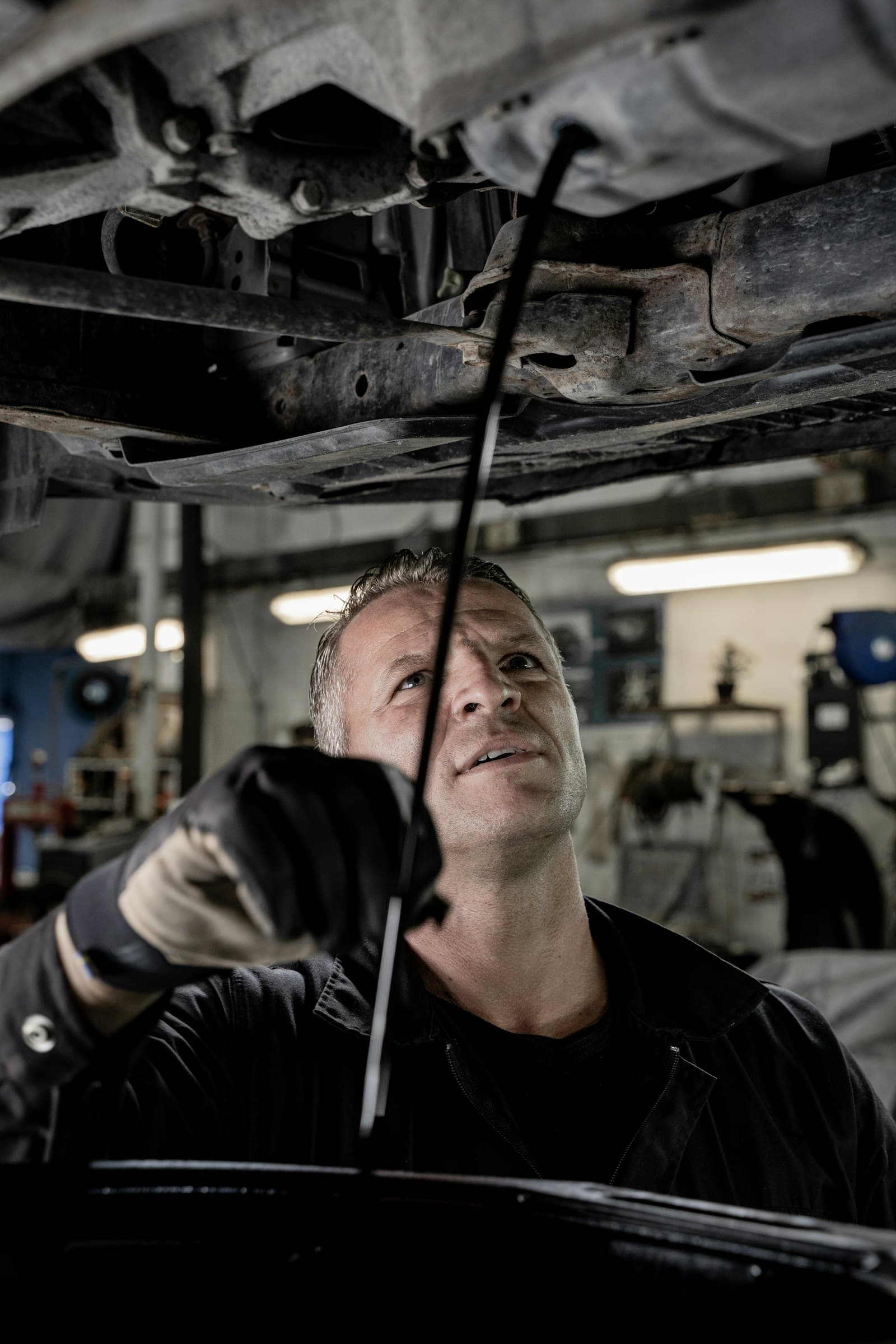
- Oil level and condition checked
- No blocking engine faults present
- Temperatures monitored throughout
- Results verified afterwards
Safety and preparation on site
A stationary regeneration produces very high exhaust temperatures, so we choose a safe place to carry it out, away from anything flammable, and monitor temperatures and progress throughout. We check engine oil level and condition beforehand, as some manufacturers require it, and make sure there are no faults that would stop the procedure completing correctly.
After the regeneration
Once complete, we review soot load and back pressure readings to confirm the filter has cleared, clear any related fault codes and explain the results. If the readings show the filter did not respond as expected, that points to another problem, which we will discuss with you rather than leaving you with a warning that returns.
We will also give practical advice on driving habits that help your DPF regenerate naturally in future.
At your home or workplace
Because we are fully mobile, a forced regeneration happens wherever your vehicle is parked, provided there is a safe space. That is ideal when a DPF warning has appeared and you would rather not drive any distance to a garage.
Why choose a mobile specialist for dpf forced regeneration
Emissions faults rarely happen at a convenient time. A warning light on the way to work, a van that has gone into limp mode at a customer's address, or a countdown that leaves only a few miles of driving: in each case, driving to a garage can be stressful or not advisable at all. Because we are fully mobile, dpf forced regeneration is carried out wherever the vehicle is parked. We bring dealer-level diagnostic equipment, find the cause on site and explain the options before any work starts, so you stay in control of the decision and the cost.
Vehicles we work on
We carry out dpf forced regeneration on a wide range of cars, vans and pickups, from everyday hatchbacks and family estates to Transits, Sprinters, Transporters, Rangers and Hiluxes. Support varies between makes, engines and model years, so we always check your registration before we visit and confirm exactly what is possible for your vehicle.
Areas we cover
We provide dpf forced regeneration across East London and Essex, including Barking, Dagenham, Rainham, Wennington, Hornchurch, Upminster, Romford, Aveley, Purfleet, South Ockendon, West Thurrock, Chafford Hundred and the surrounding areas. If you are just outside our usual area, get in touch and we will let you know if we can reach you.
How to book
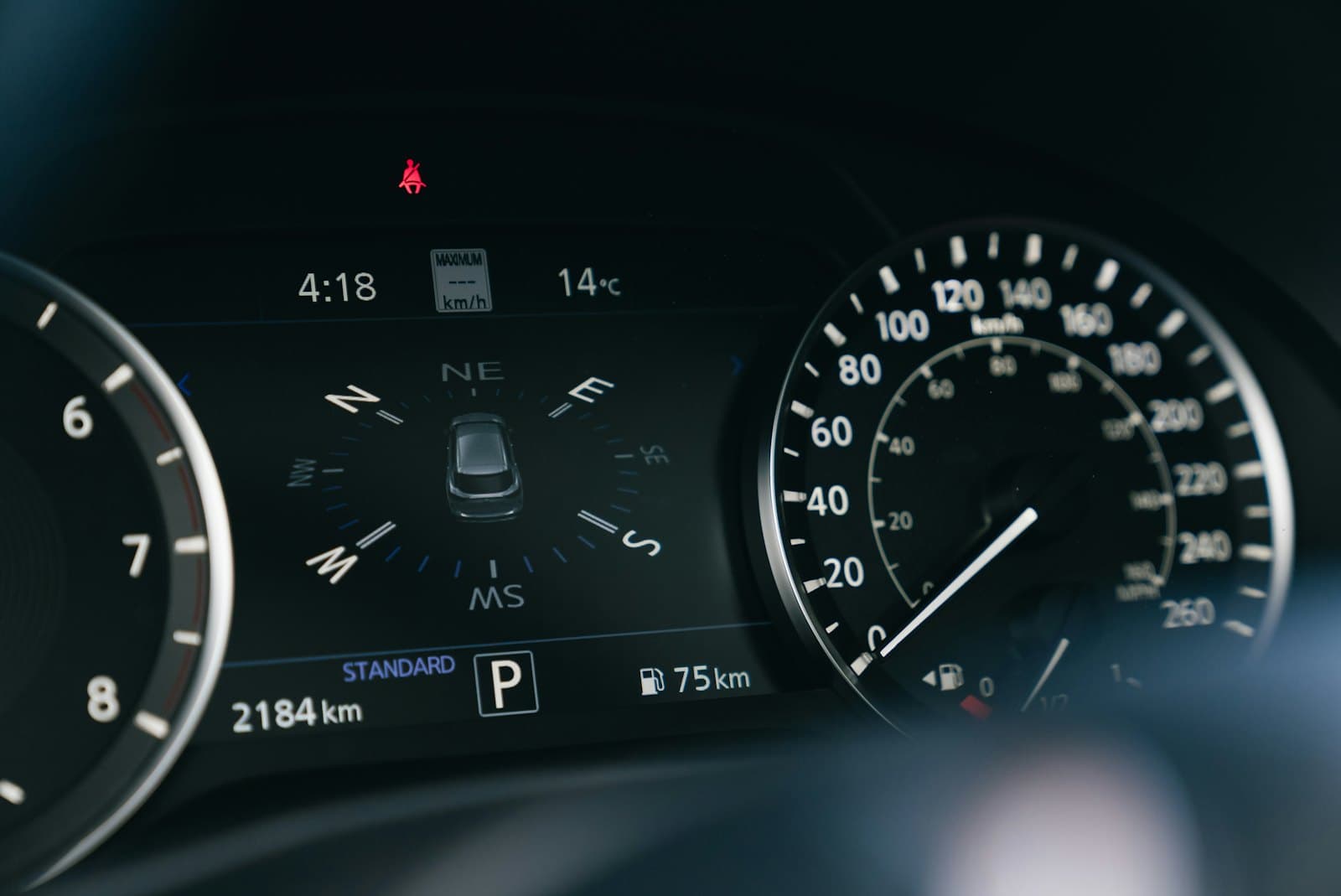
To arrange a DPF forced regeneration, send your registration, your postcode or area and a short description using the quote form, by phone or on WhatsApp. A photo of any dashboard warning helps us prepare. We will check what your vehicle needs, give you a price and agree a time to come to your home or workplace anywhere across East London and Essex. Not every service suits every vehicle, so we always confirm by registration first.