
1. What the light is telling you
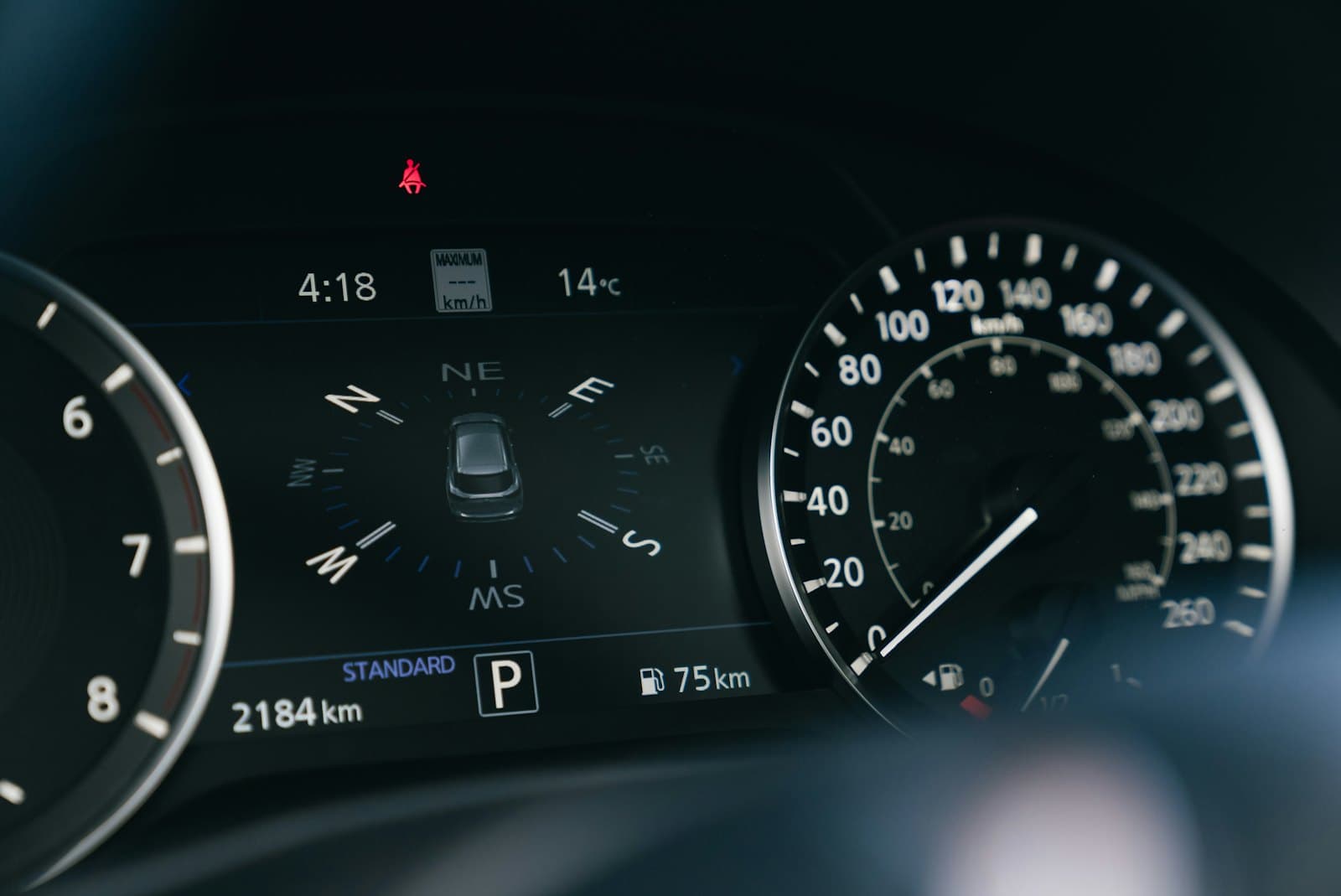
Your diesel particulate filter (DPF) traps soot from the exhaust. It is designed to burn that soot off on its own at high exhaust temperatures, a process called regeneration. The warning light means soot has built up faster than the car has been able to burn it.
On most cars it is an amber light shaped like a box with dots inside. It is a warning, not yet an emergency, but it should not be ignored.
2. Why it happens
Regeneration needs a sustained run at a steady speed. Cars and vans that only do short urban trips rarely get hot enough, so the filter slowly fills.
- Repeated short journeys and stop-start traffic
- A faulty pressure sensor giving false readings
- EGR or injector problems creating extra soot
- The wrong engine oil (low-ash oil is required)
3. Try a regeneration drive
If the car is otherwise driving normally, a 20 to 30 minute run on a dual carriageway or motorway, holding a steady speed in a lower gear than usual to keep revs up, often lets the filter clear itself. Follow your handbook's advice for your model and only drive where it is legal and safe.
4. When a drive won't fix it
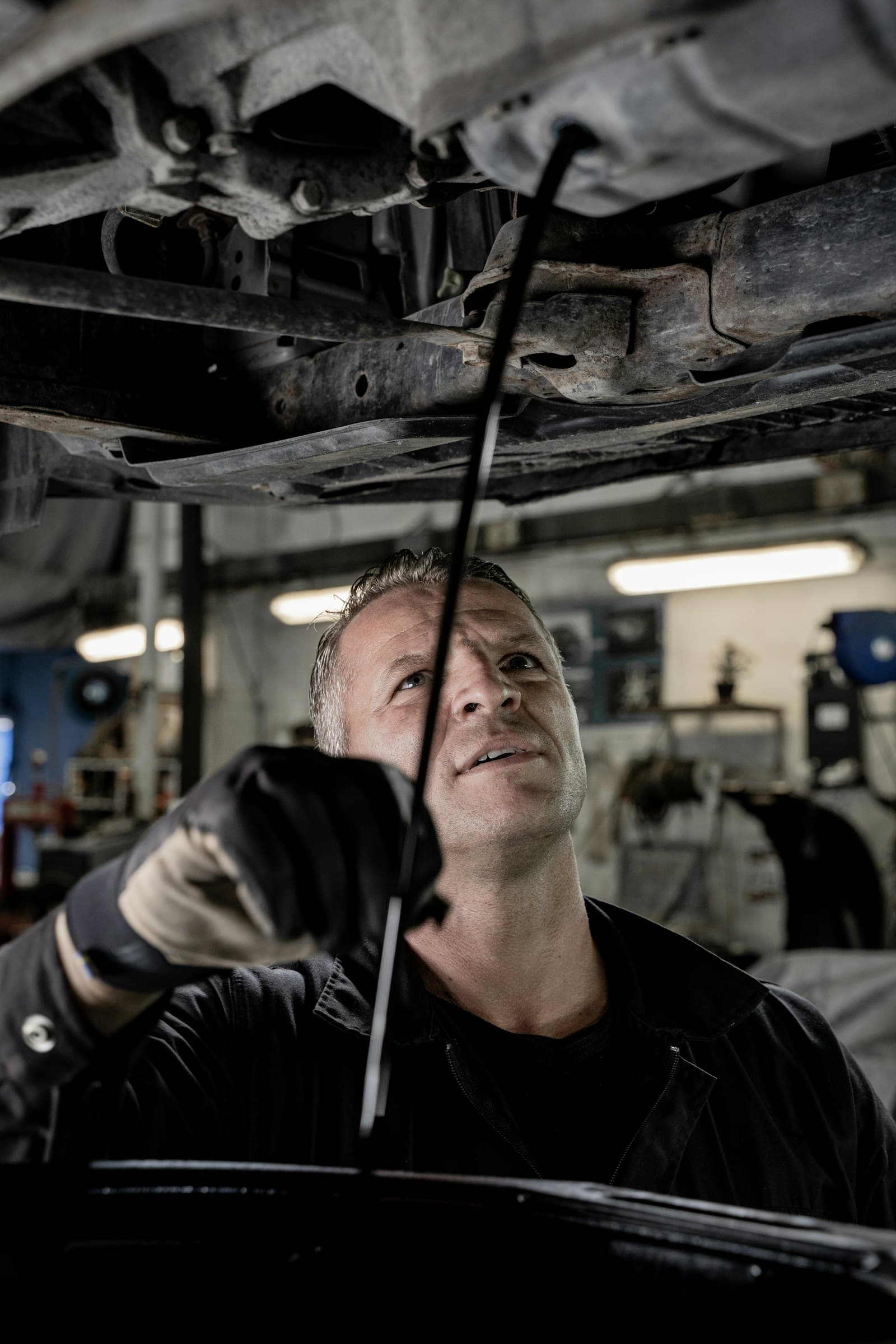
If the light stays on, comes back quickly, or is joined by a glow-plug or engine light and reduced power, the soot level is likely too high for a passive regeneration. Continuing to drive can push the car into limp mode and, in the worst case, damage the filter.
5. Get it diagnosed properly

A diagnostic tool reads the soot load, the pressure sensor values and the reason regeneration is not completing. Often there is an underlying cause, such as a sensor or EGR fault, that must be fixed or the filter will block again.
6. Keeping it clear afterwards
Give the vehicle a longer run every week or two, use the correct oil, and do not ignore other engine warnings. Our technicians will explain anything specific to your vehicle.
This guide is general information. Every vehicle is different. For advice on yours, send us your registration.